bell air attack 350 pump manual

Bell Air Attack 350 Pump Manual: An Overview

The Bell Air Attack 350 pump manual offers essential guidance. It provides information about inflating tires, and maintaining the pump. The manual is a key resource. It also includes instructions for optimum performance.

The Bell Air Attack 350 High Volume Floor Pump stands as a reliable tool for cyclists. It helps to maintain optimal tire pressure. Designed with user convenience in mind, this pump is suitable for various bike types. This includes mountain, cruiser, BMX, and standard kids’ bikes. Its wide barrel design efficiently delivers a high volume of air. This will quickly inflate tires. The pump features a reversible head. It is compatible with both Schrader and Presta valves, offering versatility for different bicycle types.

The inclusion of a ball needle and inflation cone extends its utility. The utility goes beyond bicycle tires. This allows users to inflate sports balls, rafts, and inflatable toys. Constructed from rust-resistant steel, the Bell Air Attack 350 ensures durability and long-lasting performance. Its large handle and base provide a comfortable and stable pumping experience. This makes it an ideal choice for cyclists seeking an efficient and user-friendly inflation solution.

Key Features of the Bell Air Attack 350

The Bell Air Attack 350 boasts high volume output. It also features compatibility with both Schrader and Presta valves. Durable construction ensures longevity. These features make it a cyclist’s reliable companion.

High Volume Design

The Bell Air Attack 350 pump has a high-volume design. This is a primary feature that sets it apart from other bicycle pumps. Its wide barrel is designed to push a significant amount of air with each stroke. This reduces the time and effort needed. It is also used to inflate tires. The high-volume design of the Bell Air Attack 350 pump is particularly beneficial for mountain bikes, cruiser bikes, BMX bikes, and even standard kids’ bike tires.

This design allows cyclists to quickly reach the recommended tire pressure, ensuring optimal performance and a smoother ride. The pump’s efficiency is also a valuable asset for those who prefer to spend less time on maintenance. It is also for those who prefer more time enjoying their cycling activities. Furthermore, the high-volume capability makes it an excellent choice for inflating larger tires. The tires can be found on various types of bicycles.

Schrader and Presta Valve Compatibility

The Bell Air Attack 350 pump is designed with compatibility in mind. It features a reversible pump head. This accommodating design allows it to work seamlessly with both Schrader and Presta valves. These are the two most common types of valves found on bicycle tires. This versatility eliminates the need for adapters or separate pumps for different bikes in the household.

The reversible pump head simplifies the inflation process, making it quick and easy to switch between valve types. This feature enhances the user experience. It also ensures that cyclists can maintain proper tire pressure, regardless of the valve type on their bicycle. Whether you have a mountain bike with Schrader valves or a road bike with Presta valves. The Bell Air Attack 350 is ready to use. This adaptability is a significant advantage for cyclists.

Durable Construction and Materials

The Bell Air Attack 350 pump is built with durability in mind. It uses robust construction and high-quality materials. The pump’s barrel is crafted from rust-resistant steel. This ensures longevity and reliable performance, even with frequent use. The strong steel construction withstands the rigors of regular inflation tasks.

The base and handle are also designed for durability and ease of use. The large handle provides a comfortable grip, enabling efficient pumping. The wide base offers stability during inflation, preventing tipping and ensuring safe operation. These design elements combine to create a pump that is both durable and user-friendly. Investing in the Bell Air Attack 350 ensures that cyclists have a reliable tool for maintaining their tire pressure. Its durable construction and quality materials provide confidence.

Using the Bell Air Attack 350 Pump

Using the Bell Air Attack 350 pump is straightforward. It is designed for ease of use. The pump features simple steps for quick inflation. It is also suitable for various bicycle tires.

Step-by-Step Inflation Guide

To begin, ensure the Bell Air Attack 350 pump is on a stable surface. Next, confirm the pump head matches your tire valve type, either Schrader or Presta. If necessary, reverse the valve head by following the instructions in the manual. Securely attach the pump head to the tire valve, ensuring a tight seal to prevent air leakage during inflation.

With the pump head firmly attached, begin pumping with a smooth, consistent motion, using the large handle and base for stability. Monitor the tire pressure using a separate gauge or the pump’s built-in gauge, if available, to avoid over-inflation. Always adhere to the recommended air pressure indicated on the tire sidewall.

Once the desired pressure is reached, carefully detach the pump head from the valve. Double-check the tire pressure to ensure accuracy. Finally, store the Bell Air Attack 350 in a dry place. This will protect it from damage and ensure longevity.

Valve Head Reversal Instructions

To reverse the valve head on your Bell Air Attack 350 pump, first locate the valve head assembly. This is where the pump connects to your tire valve. You will typically find a plastic or rubber piece that needs to be adjusted.

Next, carefully remove both the plastic and rubber components on the nozzle. Note their original orientation, as you will need to reassemble them in reverse. Flip these pieces over, ensuring the Presta side aligns with the Presta valve and the Schrader side aligns with the Schrader valve.

Reinsert the reversed components back into the pump head. Make sure they are securely in place to prevent air leaks during inflation. Test the connection on both a Schrader and Presta valve to confirm the reversal was successful. If air leaks occur, double-check the alignment and secure fit of the components.

Consult the Bell Air Attack 350 pump manual for detailed diagrams. These will help with visual guidance. Proper valve head reversal ensures compatibility with various bike tire types, enhancing the pump’s versatility.

Maintenance and Care

Proper maintenance ensures longevity. Regularly clean the pump’s exterior. Check for wear and tear. Store it in a dry place. Consult the manual for detailed care instructions.

Proper Storage Techniques

To maximize the lifespan of your Bell Air Attack 350 pump, proper storage is paramount. After each use, wipe down the pump with a clean, dry cloth to remove any dirt or moisture. This simple step prevents rust and corrosion. Store the pump in a cool, dry location, away from direct sunlight and extreme temperatures, as prolonged exposure can degrade the materials.

Avoid storing the pump in damp environments such as sheds or basements. Ideally, hang the pump on a wall or store it in a designated toolbox to prevent damage. Ensure the hose is not kinked or bent during storage, which could lead to cracks.
Consider applying a silicone-based lubricant to the pump’s internal components periodically. This will keep the pump operating smoothly and prevent sticking. By following these storage techniques, you can extend the life.

Troubleshooting Common Issues

Encountering issues with your Bell Air Attack 350 pump? Let’s troubleshoot. If the pump isn’t inflating, ensure the valve head is correctly attached to the tire valve. Check for leaks around the valve connection; a loose connection can cause air to escape. If you’re experiencing difficulty reversing the valve head, refer to the instructions for proper alignment.

A common problem is a stiff or unresponsive pump handle. Applying a small amount of silicone lubricant to the piston can resolve this. If the pump still doesn’t work, inspect the hose for cracks or blockages.

Sometimes, the pump may inflate slowly. This could indicate a worn-out piston seal. Replacement seals are available. Finally, always check the tire pressure against the recommended PSI on the tire sidewall to prevent over-inflation. Address these issues promptly to maintain the pump’s performance.

Accessories and Replacement Parts

Enhance your Bell Air Attack 350 pump. Find replacement parts, like valve adapters and hoses. Explore accessories for versatile inflation. Keep your pump in top condition.

Available Accessories

The Bell Air Attack 350 pump experience can be significantly enhanced with a range of available accessories. These additions not only improve functionality, but also extend the pump’s lifespan. Consider valve adapters for compatibility. Also, think about replacement hoses for added convenience.

Explore gauges for precise inflation. They ensure optimal tire pressure. Mounts offer secure storage solutions. Keep your pump readily accessible. Washers help maintain airtight seals. They prevent air leakage during inflation.

A ball needle allows inflating sports equipment. An inflation cone is great for inflatable toys. These accessories expand the pump’s versatility beyond bicycle tires. They make it a multi-purpose inflation tool for various needs.

Invest in quality accessories. Maximize the performance and lifespan of your Bell Air Attack 350 pump. Ensure you always have the right tools for any inflation task. Proper care, along with the right accessories makes pumping easy.

Finding Replacement Parts

Locating replacement parts for your Bell Air Attack 350 pump is crucial. It extends the life of your reliable tool. Start by checking the official Bell Sports website. Here, you may find a dedicated section. It lists available parts and diagrams.
Consult the pump’s manual for part numbers and specifications. This ensures compatibility when ordering replacements. Online retailers like Amazon or eBay often stock parts. They cater to various Bell pump models.

Local bike shops can be valuable resources. They offer expert advice. They can also source specific components. Consider contacting Bell’s customer service directly. They provide assistance and guidance.

When searching, specify the “Bell Air Attack 350” model. Add the specific part you need; This will narrow down your search. Prioritize genuine Bell parts. They guarantee quality and proper fit. Regular maintenance with the right parts will enhance the pump’s performance.

Where to Find the Bell Air Attack 350 Manual

Discovering the Bell Air Attack 350 manual is simple. Check Bell Sports’ official website. Online databases and retailers may also provide it. This ensures easy access and usage.

Online Resources and Databases

Finding the Bell Air Attack 350 pump manual online is quite straightforward. Start by visiting the official Bell Sports website. They often host product manuals in PDF format. This allows for easy downloading and viewing. Many online databases also archive user manuals for various products. Websites dedicated to cycling equipment or repair are great resources.

Retailer websites, such as Walmart or Home Hardware, might host manuals too. They are frequently included on product pages. Typing “Bell Air Attack 350 manual” into a search engine can yield results from forums or user communities. These platforms might have shared copies.

Always ensure that you’re downloading the manual from a reputable source. This protects your device from malware. Checking user reviews or ratings can help verify the legitimacy of the source. With these resources, locating the manual becomes a simple online search.

nikon d700 manual

Nikon D700 Manual: A Comprehensive Guide

The Nikon D700 manual is your key to unlocking the full potential of this legendary DSLR. This comprehensive guide provides detailed instructions on every aspect of the camera‚ from basic operations to advanced settings. Accessing the manual‚ understanding its layout‚ and utilizing its troubleshooting sections are crucial for mastering the D700.

The Nikon D700 manual serves as the definitive resource for photographers seeking to fully understand and utilize the capabilities of this classic full-frame DSLR. Released alongside the camera in 2008‚ the original manual provides comprehensive information about its features‚ settings‚ and specifications.

This manual isn’t just a simple instruction booklet; it’s a detailed guide designed to help users navigate the camera’s menu system‚ customize settings for various shooting scenarios‚ and troubleshoot common issues. Whether you are a seasoned professional or a new D700 owner‚ the manual offers valuable insights and practical advice to enhance your photography.

Beyond the official manual‚ alternative user guides and books‚ such as “Mastering the Nikon D700‚” offer additional perspectives and in-depth explanations of the camera’s functions. These resources often include preferred settings for different situations and insights into available Nikon accessories.

The manual covers everything from basic camera operations to advanced techniques. It explains how to adjust menu settings‚ understand various shooting modes‚ and optimize image quality. By familiarizing yourself with the manual‚ you can unlock the full potential of the D700 and capture stunning images in any situation. It’s recommended to keep a copy readily available‚ either in print or digital format‚ for quick reference.

Downloading the Official Nikon D700 Manual

Accessing the official Nikon D700 manual is a straightforward process‚ allowing users to obtain a digital copy for convenient reference. The primary source for downloading the manual is the Nikon website‚ where you can find it in PDF format. Simply navigate to the support section of the Nikon site and search for the D700 model to locate the manual.

Downloading the manual provides several advantages. A digital version is easily accessible on various devices‚ including computers‚ tablets‚ and smartphones‚ enabling you to consult it whenever and wherever you need it. This is particularly useful when you’re in the field and encounter a question about a camera setting or function.

Before downloading‚ ensure that you are accessing the correct manual for the Nikon D700‚ as there may be different versions or supplements available. The PDF format allows for easy searching and printing‚ so you can quickly find specific information or create a hard copy for offline use.

Keep in mind that Nikon may update the manual periodically‚ so it’s a good idea to check the website regularly for the latest version. Once downloaded‚ the manual can be stored on your device for future reference‚ ensuring you always have access to the comprehensive information it provides about your Nikon D700.

Understanding the Nikon D700 Menu System

Navigating the Nikon D700’s menu system is essential for customizing the camera to your specific needs and shooting preferences. The menu is logically organized into several sections‚ each containing related settings and options. Familiarizing yourself with this structure allows for quick and efficient adjustments in various shooting scenarios.

The primary menu sections include Playback‚ Shooting‚ Custom Setting‚ Setup‚ Retouch‚ and My Menu. The Playback menu provides options for reviewing and managing your images‚ while the Shooting menu controls essential camera settings such as image quality‚ ISO‚ and white balance. The Custom Setting menu is where you fine-tune the camera’s behavior to match your personal shooting style.

The Setup menu allows you to configure general camera settings like language‚ date‚ and time. The Retouch menu offers in-camera editing options for your images‚ and the My Menu section allows you to create a personalized menu of frequently used settings for quick access.

Understanding the hierarchy and function of each menu section is crucial for optimizing the D700’s performance. The manual provides detailed explanations of each menu item‚ helping you to make informed decisions about your camera settings. By mastering the menu system‚ you can unlock the full potential of the D700 and capture stunning images in any situation.

Key Features and Settings Explained in the Manual

The Nikon D700 manual meticulously explains the camera’s key features and settings‚ empowering users to harness its full potential. It delves into the intricacies of the 12.1-megapixel CMOS sensor‚ offering guidance on optimizing image quality and managing noise at various ISO settings. The manual provides detailed explanations on the D700’s advanced autofocus system‚ including its various focus modes and focus area options‚ aiding users in achieving sharp and precise focus in diverse shooting conditions.

Furthermore‚ the manual elucidates the camera’s metering modes‚ enabling users to understand how the D700 evaluates light and determines exposure settings. It also provides comprehensive instructions on utilizing the D700’s white balance settings to achieve accurate color reproduction in different lighting environments.

The manual thoroughly covers the D700’s shooting modes‚ including aperture-priority‚ shutter-priority‚ and manual modes‚ empowering users to take control of their creative vision. It also explains the camera’s Picture Control system‚ allowing users to customize the look and feel of their images.

By providing in-depth explanations of these key features and settings‚ the Nikon D700 manual serves as an invaluable resource for both novice and experienced photographers seeking to master this exceptional camera. It equips users with the knowledge and understanding necessary to capture stunning images in a wide range of shooting scenarios.

Troubleshooting Common Issues Using the Manual

The Nikon D700 manual isn’t just a guide to features; it’s also a valuable resource for troubleshooting common issues. A dedicated section addresses problems users might encounter‚ offering step-by-step solutions and explanations. If your D700 displays error messages‚ the manual provides a list of these messages and their corresponding remedies‚ saving you time and frustration.

Encountering focusing problems? The manual guides you through diagnosing focus issues‚ offering solutions related to focus mode selection‚ lens compatibility‚ and low-light performance. Battery drain is another common concern‚ and the manual provides tips on optimizing battery life‚ identifying potential causes of excessive drain‚ and suggesting preventative measures.

If you’re experiencing image quality issues‚ such as unexpected noise or color casts‚ the manual offers guidance on adjusting settings like ISO‚ white balance‚ and Picture Controls to achieve desired results. It also addresses issues related to memory cards‚ such as card errors or slow write speeds‚ providing troubleshooting steps to resolve these problems.

By consulting the troubleshooting section of the manual‚ D700 users can often resolve common issues independently‚ avoiding the need for costly repairs or professional assistance. This empowers users to maintain their camera’s optimal performance and continue capturing stunning images.

Exploring Nikon D700 Accessories (Mentioned in Some Manuals/Guides)

While the official Nikon D700 manual primarily focuses on camera operation‚ some supplementary guides and user books delve into compatible accessories that enhance the D700’s capabilities. These accessories can significantly expand the camera’s versatility and improve the user experience.

External flashes are frequently discussed‚ offering greater power and control over lighting compared to the built-in flash. These guides often recommend specific Nikon Speedlights and third-party options‚ detailing their features and how to best utilize them with the D700. Lens selection is another crucial area‚ with various guides suggesting lenses suited for different photography genres‚ from wide-angle landscapes to telephoto wildlife shots.

Battery grips are often highlighted for their ability to extend battery life and provide a more comfortable grip‚ especially for vertical shooting. Remote shutter releases are also mentioned‚ enabling photographers to trigger the shutter without physically touching the camera‚ minimizing camera shake.

Beyond these common accessories‚ some guides explore specialized equipment like macro lenses‚ filters‚ and external monitors. They provide insights into how these accessories can unlock new creative possibilities and improve the overall quality of your images. By exploring these accessories‚ D700 users can customize their setup to perfectly match their individual needs and photographic style.

Utilizing the Nikon D700 Quick Guide

The Nikon D700 Quick Guide serves as a condensed version of the full user manual‚ offering a readily accessible overview of the camera’s essential functions and settings. This guide is particularly useful for new users who want to quickly familiarize themselves with the D700’s basic operations without delving into the comprehensive details of the full manual.

The Quick Guide typically covers topics such as basic shooting modes (auto‚ program‚ aperture-priority‚ shutter-priority‚ and manual)‚ focusing modes‚ and common menu settings. It provides step-by-step instructions for performing common tasks like adjusting aperture‚ shutter speed‚ and ISO. It also typically includes diagrams and illustrations to help users quickly locate and identify key buttons and dials on the camera body.

While the Quick Guide doesn’t offer the in-depth explanations found in the full manual‚ it provides a valuable starting point for understanding the D700’s core functionalities. It’s perfect for carrying in your camera bag as a handy reference tool when you’re out in the field.

Experienced users can also benefit from the Quick Guide as a refresher on specific settings or features they may not use regularly. By utilizing the Quick Guide effectively‚ users can quickly access the information they need to capture stunning images with their Nikon D700.

Finding Repair Manuals for the Nikon D700

Locating a repair manual for the Nikon D700 can be invaluable when facing technical issues or considering DIY repairs. These specialized manuals provide detailed schematics‚ disassembly instructions‚ and troubleshooting guides not found in the user manual. However‚ official repair manuals are often restricted to authorized service centers.

Online resources‚ such as dedicated camera repair websites and forums‚ sometimes offer unofficial or community-sourced repair manuals. These may vary in quality and completeness‚ so exercise caution when using them. Look for manuals with clear diagrams‚ step-by-step instructions‚ and user reviews. It is important to note that attempting repairs without proper knowledge and tools can further damage the camera‚ potentially voiding any remaining warranty.

Consider your skill level and the complexity of the repair before attempting any DIY fixes. For intricate issues‚ consulting a professional camera repair technician is always recommended. While repair manuals can be a valuable resource‚ they are best utilized by experienced technicians or individuals with a strong understanding of camera mechanics and electronics. Using the Nikon D700 repair manual allows you to fix problems.

Always prioritize safety and take necessary precautions when working with electronic devices.

Online Communities and Forums for Nikon D700 Users

Online communities and forums are invaluable resources for Nikon D700 users‚ providing a platform for sharing knowledge‚ seeking advice‚ and connecting with fellow enthusiasts. These platforms offer a wealth of information beyond the official manual‚ covering real-world experiences‚ user-generated tips‚ and solutions to common issues.

Dedicated Nikon forums‚ photography communities‚ and even social media groups often have active threads specifically for the D700. These threads can be excellent sources for troubleshooting problems‚ discussing optimal settings for different shooting scenarios‚ and showcasing images taken with the camera. When participating in these communities‚ be sure to follow the forum rules and guidelines.

Many forums have specific sections for frequently asked questions (FAQs) and troubleshooting tips. Before posting a question‚ search the forum to see if it has already been answered. Contributing to these communities by sharing your own knowledge and experiences helps to create a valuable resource for all D700 users.

Remember that the quality of information can vary‚ so always cross-reference advice with other sources and use your own judgment. Online communities are a great way to learn more about your D700. They may also help you find inspiration and connect with other passionate photographers using the same camera.

Alternative User Guides and Books for the Nikon D700

While the official Nikon D700 manual provides essential information‚ alternative user guides and books can offer a more in-depth and personalized learning experience. These resources often present the camera’s features and functions in a more accessible and user-friendly manner. They provide real-world examples‚ tips‚ and tricks that can help you master the D700 and improve your photography.

Several authors have written comprehensive guides specifically for the Nikon D700‚ offering their unique perspectives and expertise. These books often include detailed explanations of the camera’s menu system‚ custom settings‚ and advanced techniques. Some guides focus on specific genres of photography‚ such as portraiture‚ landscape‚ or sports‚ providing tailored advice for using the D700 in those situations.

When choosing an alternative user guide‚ consider the author’s credentials and the book’s reviews. Look for guides that are well-written‚ clearly organized‚ and visually appealing. Some books may also include accompanying videos or online resources.

These resources can provide valuable insights and inspiration‚ helping you to unlock the full potential of your Nikon D700 and take your photography to the next level. They often provide preferred settings for various scenarios.

ambient technologies fireplace remote manual

Ambient Technologies Fireplace Remote Manual: A Comprehensive Guide

This comprehensive guide provides assistance with your Ambient Technologies fireplace remote.
We will explore operation, troubleshooting, and safety, ensuring a user-friendly experience.
Learn about millivolt systems, thermostatic controls, and essential maintenance for seamless fireplace operation.

Ambient Technologies provides the hearth industry with advanced, high-quality remote
systems, valve kits, and electronic controls. These remotes offer convenient control for your
fireplace, enhancing user experience with features like on/off functionality and thermostatic
regulation. This manual serves as a comprehensive guide to understanding and operating
your Ambient Technologies fireplace remote effectively. Whether you’re a new user or
seeking troubleshooting assistance, this resource provides valuable information to ensure
safe and reliable operation.

Ambient Technologies remotes are designed for millivolt valve gas appliances, offering a
user-friendly experience. The RCST remote control, for example, provides manual and timed
fireplace operation. Proper understanding of these systems allows for efficient temperature
control and energy savings. This manual will cover essential aspects such as battery
replacement, receiver location, DIP switch settings, and re-pairing procedures. In case of
any missing or damaged parts, contacting Ambient Technologies support is crucial. By
following this guide, you’ll be well-equipped to manage and maintain your fireplace remote
system effectively.

Understanding Millivolt Systems

Millivolt systems are commonly used in gas fireplaces, including those controlled by Ambient
Technologies remotes. These systems operate on a low-voltage electrical current, generated
by a thermopile or thermocouple heated by the pilot flame. This small electrical current is
sufficient to operate the gas valve, allowing the fireplace to ignite and function. The remote
control interacts with the millivolt system by opening or closing the circuit, effectively
turning the fireplace on or off.

Understanding how millivolt systems work is crucial for troubleshooting issues with your
fireplace remote. The receiver unit, typically located within the control cavity of the
fireplace, receives signals from the remote and relays them to the gas valve. If the
thermopile is weak or the connections are corroded, the system may not function properly.
Ambient Technologies remotes are designed to work seamlessly with these systems,
providing safe and reliable control. Knowing the basics of millivolt operation can aid in
identifying whether the problem lies within the remote, the receiver, or the fireplace’s
internal components. Regular maintenance and inspection of the system can prevent many
common issues.

Basic Operation: On/Off Functionality

The primary function of your Ambient Technologies fireplace remote is the simple on/off
control. This allows you to ignite or extinguish the fireplace with ease from a distance. To
operate this function, ensure that the remote has fresh batteries and is within range of the
receiver unit, typically located within the fireplace’s control cavity. Press the “on” button to
initiate the ignition sequence; the pilot light should ignite, followed by the main burner.
Conversely, pressing the “off” button will shut down the fireplace, extinguishing both the
main burner and the pilot light.

Some Ambient Technologies remotes also feature a manual mode, enabling direct control over
the on/off function, irrespective of any programmed settings. If you encounter issues with the
remote not responding, verify that the receiver is properly connected and that there are no
obstructions interfering with the signal. In situations where the remote fails to operate, you
can manually turn on the fireplace using the base unit switch, providing a backup solution.
Understanding this basic functionality is crucial before exploring advanced features such as
thermostatic control. Regular testing of the on/off function ensures that the remote system
is functioning correctly.

Thermostatic Control Features

Ambient Technologies fireplace remotes often incorporate thermostatic control, allowing you to
maintain a consistent room temperature. This feature enables the remote to automatically
adjust the fireplace’s flame level based on the desired temperature setting. To utilize
thermostatic control, first, ensure that the remote is in thermostatic mode, not manual mode.
You can typically switch between modes using a button or setting within the remote’s interface.
Once in thermostatic mode, set your desired temperature using the up and down arrow buttons.
The remote will then communicate with the receiver to modulate the flame, keeping the room
at your preferred warmth.

The thermostatic range usually spans from 45°F to 90°F, offering a wide range of comfort
levels. It’s important to note that the remote must be within range of the receiver for
thermostatic control to function correctly. If the room temperature deviates significantly from
the set point, the fireplace will adjust accordingly, either increasing or decreasing the flame.
Regularly check the remote’s display to ensure it’s accurately reading the room temperature.
This advanced feature offers a convenient way to maintain a comfortable environment without
constant manual adjustments.

Troubleshooting Common Remote Issues

Encountering issues with your Ambient Technologies fireplace remote can be frustrating, but
many problems can be resolved with simple troubleshooting steps. A common issue is the remote
not communicating with the receiver. Start by checking the batteries in both the remote and
the receiver, ensuring they are fresh and correctly installed. If battery replacement doesn’t
resolve the problem, verify the DIP switch settings on both the remote and receiver.
These switches must match for proper communication.

Another potential cause is interference from other electronic devices. Try moving the receiver
away from other appliances that may emit radio frequencies. If the remote still isn’t working,

attempt to re-pair or relearn the remote with the receiver, following the instructions in this
guide. A faulty thermocouple can also prevent the fireplace from igniting, even with a
working remote. Check the thermocouple’s connections and consider replacing it if necessary.
If these steps fail, contacting Ambient Technologies support or a qualified technician is
recommended for further assistance.

Battery Replacement and its Impact

Proper battery management is crucial for maintaining the optimal performance of your Ambient
Technologies fireplace remote. Regularly replacing the batteries in both the remote and the
receiver unit is essential for reliable operation. When batteries weaken, the remote’s signal
strength diminishes, leading to intermittent or non-existent communication with the fireplace.
Always use high-quality alkaline batteries of the correct type, as specified in your remote’s
manual.

Pay attention to the polarity when inserting new batteries to avoid damaging the device.
In some cases, replacing the batteries might cause the remote to lose its connection with the
receiver. If this happens, you may need to re-pair or relearn the remote, following the
instructions provided in the manual. Note that some users report that every time they replace the
batteries in the base, the remote stops working. This can be resolved by turning off auto temp
control, waiting a minute or two and turning automatic back on. This forces the remote to
re-establish communication with the base.

Remote Receiver Location and Identification

Identifying the location of your Ambient Technologies fireplace remote receiver is crucial for
troubleshooting and maintenance. The receiver is typically housed within the control cavity of
your fireplace, often behind an access panel or near the gas valve. Its primary function is to
receive signals from the remote transmitter and activate the fireplace accordingly.

The receiver unit usually has a small antenna and may feature DIP switches for configuration.
To locate it, consult your fireplace’s installation manual or carefully inspect the control area.
Be sure to turn off the gas supply and allow the fireplace to cool down before accessing this
area. Once located, make a note of the receiver’s model number and any visible DIP switch
settings, as this information may be needed for troubleshooting or re-pairing the remote. The
receiver box is often located within the control cavity of your fireplace. Knowing the location
of your receiver is critical for battery replacement.

Understanding the receiver’s location is essential before attempting any repairs or adjustments
to the system.

DIP Switch Settings and Configuration

DIP switches on your Ambient Technologies fireplace remote receiver are small toggle switches used
to configure communication settings. These settings ensure that the remote transmitter and receiver
are properly synchronized, allowing them to communicate effectively. Incorrect DIP switch settings
can lead to remote malfunction or failure to ignite the fireplace.

To configure DIP switches, first locate the receiver unit, typically found within the fireplace’s
control cavity. Identify the DIP switch block, which usually consists of a series of small
switches labeled with numbers. Refer to your remote control manual for the correct DIP switch
settings. The manual will provide a specific combination of “on” and “off” positions for each
switch.

Use a small screwdriver or pen to carefully adjust the switches to match the recommended
configuration. Ensure that both the remote transmitter and receiver have the same DIP switch
settings for proper communication; After adjusting the DIP switches, test the remote to verify
that it is functioning correctly. If issues persist, double-check the DIP switch settings against
the manual and ensure the batteries are fresh in both the remote and receiver.

Re-pairing or Relearning the Remote

Sometimes, your Ambient Technologies fireplace remote may lose its connection with the receiver,
requiring a re-pairing or relearning process. This is often necessary after battery replacement
in either the remote or the receiver, or if you experience intermittent or complete remote
failure. Re-pairing essentially re-establishes the communication link between the transmitter
and receiver.

To initiate the re-pairing process, first locate the receiver unit, typically found within the
fireplace’s control cavity. Look for a “learn” or “sync” button on the receiver. Press and hold
this button, usually for a few seconds, until an indicator light flashes or illuminates.
Immediately after pressing the button on the receiver, press the “on” button on your remote
transmitter.

The receiver should acknowledge the signal, often with a beep or a change in the indicator
light. This confirms that the remote has been successfully re-paired. If the re-pairing fails,
ensure that the batteries in both the remote and receiver are fresh and try the process again.
Also, verify that the DIP switch settings are correct and consistent between the remote and
receiver, as incorrect settings can prevent successful re-pairing. Consult your specific remote
model’s manual for detailed instructions.

Manual Mode vs. Thermostatic Mode

Ambient Technologies fireplace remotes typically offer two primary operating modes: manual and
thermostatic. Understanding the difference between these modes is crucial for optimal comfort
and energy efficiency. Manual mode provides direct control over the fireplace’s on/off function.
When in manual mode, the remote acts as a simple switch, turning the fireplace on or off based
solely on user input. The fireplace will continue to operate until manually turned off,
regardless of the room temperature.

Thermostatic mode, on the other hand, allows the remote to automatically regulate the fireplace’s
operation to maintain a desired room temperature. In this mode, you set a target temperature,
and the remote will cycle the fireplace on and off to achieve and maintain that temperature.
This mode is ideal for consistent heating and preventing the room from overheating. The
thermostatic mode uses a built-in temperature sensor in the remote to monitor the ambient
temperature.

To switch between manual and thermostatic modes, consult your remote’s user manual, as the
specific procedure may vary depending on the model. Typically, there is a dedicated button or
setting on the remote to select the desired mode. When using thermostatic mode, ensure the
remote is placed in a location representative of the overall room temperature, away from direct
sunlight or drafts, for accurate temperature sensing.

Contacting Ambient Technologies Support

When encountering issues with your Ambient Technologies fireplace remote that you cannot resolve
through troubleshooting, contacting their support team is the next step. Ambient Technologies
provides several avenues for customer support to assist with any problems or questions you may
have.

Before contacting support, gather relevant information about your remote and fireplace system.
This includes the model number of the remote, any error messages displayed, and a detailed
description of the issue you are experiencing. Having this information readily available will
help the support team diagnose the problem more efficiently.

One of the primary ways to reach Ambient Technologies support is by phone. According to available
information, their technical support line can be reached at 1-800-398-6195. Be prepared to
provide the information you gathered earlier and clearly explain the issue to the support
representative.

Alternatively, you may be able to find support resources on their website. Check for FAQs,
troubleshooting guides, or contact forms that allow you to submit your query online. When using
online support, be as detailed as possible in your description of the problem.

Remember to refer to your fireplace and remote manuals for additional information and
troubleshooting steps before contacting support.

Safety Precautions and Warnings

Operating a fireplace with a remote control offers convenience, but it’s essential to prioritize
safety. Always adhere to safety precautions and warnings to prevent accidents and ensure the
safe operation of your fireplace system. Before using your Ambient Technologies fireplace
remote, carefully review the following guidelines.

Never leave a fireplace unattended while it is in operation. Even with remote control
capabilities, constant supervision is crucial. Ensure that flammable materials, such as
curtains, furniture, and paper, are kept a safe distance away from the fireplace to prevent
fire hazards.

Regularly inspect the fireplace and its components for any signs of damage or wear. Check gas
connections for leaks, and ensure that the venting system is clear and unobstructed. If you
notice any issues, such as unusual smells or noises, immediately turn off the fireplace and
contact a qualified technician for inspection and repair.

Keep the remote control out of reach of children. The remote should only be operated by
responsible adults who understand the safety procedures. Educate all household members about
fireplace safety, including how to turn it off in case of an emergency.

When replacing batteries in the remote or receiver, use the correct type and voltage. Improper
batteries can cause malfunctions or even damage the system. Always dispose of old batteries
properly, following local regulations. Refer to fireplace instructions before using this transmitter.

singer sewing machine user manual

Singer Sewing Machine User Manual: A Comprehensive Guide

Welcome to the world of sewing with Singer! This comprehensive guide will help you navigate your Singer sewing machine user manual, ensuring a smooth and successful sewing journey. Discover where to find your specific model manual and start sewing today!

Finding Your Specific Singer Model Manual

Locating the correct manual for your Singer sewing machine is the first step to mastering its capabilities. Many online resources offer downloadable manuals in PDF format. Websites like Manuals.co.uk boast extensive collections, with hundreds of Singer manuals available, and you can also find manuals on SingerOnline.com. To efficiently find your manual, use the search box and enter your machine’s model number. Don’t hesitate to contact customer support if you are unable to locate your manual.

Remember to check both official Singer websites and third-party sites for the most comprehensive search results;

Understanding Your Singer Sewing Machine

Before you start sewing, familiarize yourself with your machine. Understanding the parts and their functions is key to successful sewing. Consult your manual for diagrams and detailed explanations of each component.

Identifying Machine Parts and Functions

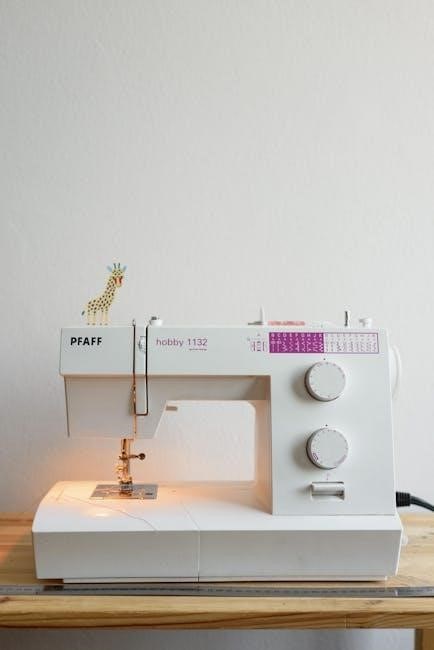
A Singer sewing machine consists of numerous parts, each with a specific role. The needle, bobbin, presser foot, and tension dial are crucial for stitch formation. The feed dogs move the fabric, while the handwheel allows for manual control; Understanding these components and how they work together is essential for optimal performance. Refer to your user manual for detailed diagrams and explanations of each part. Correctly identifying and understanding the functions of each component will help you troubleshoot problems and maintain your machine effectively, ensuring years of enjoyable sewing.

Getting Started: Setting Up Your Singer Sewing Machine

Ready to begin your sewing adventure? This section guides you through setting up your Singer machine, covering essential steps for a smooth start. Prepare to thread the needle and bobbin.

Threading the Needle and Bobbin

Threading your Singer sewing machine correctly is crucial for achieving even stitches and avoiding frustrating tangles. Consult your specific model’s manual for precise diagrams, as threading paths may vary slightly. Generally, guide the thread through tension discs and take-up levers, ensuring it sits snugly.

For the bobbin, wind it evenly, following the bobbin winding mechanism instructions. Insert the bobbin correctly into its case; improper placement can lead to tension issues. Double-check both needle and bobbin threading before starting to sew for optimal results and a smooth sewing experience.

Basic Sewing Techniques with Your Singer Machine

Mastering basic sewing techniques is essential for any aspiring seamstress. Learn about straight stitches, backstitching, and turning corners with your Singer sewing machine for successful sewing projects.

Selecting Stitches and Adjusting Settings

Your Singer sewing machine offers a variety of stitches to suit different sewing needs. Refer to your user manual to understand the available stitch options, from basic straight stitches to decorative patterns. Learn how to select the appropriate stitch for your project by using the dial.

Adjusting settings like stitch length and width is crucial for achieving desired results. Experiment with these settings to find the perfect balance for your fabric type and sewing technique. Understanding tension settings will also improve stitch quality. Refer to your manual for guidance.

Troubleshooting Common Issues

Encountering problems? This section provides guidance on troubleshooting common issues with your Singer sewing machine. Learn how to identify and resolve problems, ensuring your sewing experience remains smooth and enjoyable.

Needle Breakage and Thread Tension Problems

Needle breakage and thread tension irregularities are common frustrations for sewing machine users. This section delves into the causes and solutions for these issues with your Singer machine. Improper threading, incorrect needle size, and using the wrong type of thread can all lead to problems. Learn how to adjust the tension, select the correct needle, and properly thread your machine to prevent these issues. Regularly cleaning your machine and using quality thread can also reduce problems. Follow these tips for smooth, consistent stitching.

Maintenance and Care for Longevity

Proper maintenance is essential for ensuring the longevity of your Singer sewing machine. Regular cleaning, oiling, and timely repairs will keep your machine running smoothly for years to come. Neglecting maintenance can lead to costly repairs.

Cleaning and Oiling Your Machine

Maintaining a clean and well-oiled Singer sewing machine is crucial for its optimal performance and longevity. Begin by unplugging the machine and removing the needle plate and bobbin case. Use a lint brush or small vacuum to remove any accumulated lint, thread, or dust from these areas. Next, lightly oil the designated points as indicated in your user manual, usually including the bobbin area and needle bar. Wipe away any excess oil to prevent staining your fabric. Regular cleaning and oiling will ensure smooth operation and prevent premature wear and tear on your machine’s components.

Exploring Singer Sewing Machine Accessories and Attachments

Unlock your Singer sewing machine’s full potential with various accessories and attachments. These tools enhance your sewing capabilities, enabling you to tackle diverse projects with precision and ease. Explore the possibilities today!

Using Different Presser Feet

Different presser feet can significantly enhance your sewing projects. A zig-zag foot is ideal for general sewing and basic stitches. A buttonhole foot makes creating buttonholes easier, while a zipper foot is designed for accurate zipper insertion. A satin stitch foot is perfect for decorative stitches and appliques.

Consider a blind hem foot for invisible hemming and a walking foot for evenly feeding multiple fabric layers. Each presser foot provides specialized functionality, improving your sewing efficiency and project quality. Experiment to discover the perfect foot for each task.

Advanced Techniques and Project Ideas

Ready to elevate your sewing? Explore advanced techniques and project ideas to enhance your skills. From quilting to garment construction, unlock the potential of your Singer sewing machine for creative expression.

Quilting, Applique, and Garment Construction

Dive into advanced sewing projects with your Singer! Explore the art of quilting, creating intricate designs and cozy masterpieces. Master applique techniques, adding decorative fabric embellishments to personalize your creations. Venture into garment construction, learning to sew clothes from patterns, achieving professional-looking results. Discover expert support for your Singer, Pfaff, Husqvarna Viking sewing machines. With terms, conditions, manuals, machine updates and stitch guides to keep your sewing machine running smoothly. Unleash your inner designer and elevate your sewing skills, and craft unique garments with confidence.

Where to Find Support and Resources

Need assistance with your Singer sewing machine? Explore online manuals, tutorials, and authorized repair services for expert help. Access warranty information, machine updates, and stitch guides for smooth sewing.

Online Manuals, Tutorials, and Repair Services

Lost your Singer sewing machine manual? No problem! Many online resources offer downloadable manuals in PDF format. Websites like Manuals.co.uk currently host hundreds of Singer manuals. Look for your model number to find the correct one. In addition, explore online tutorials for visual guidance on various sewing techniques. If you encounter more complex issues, locate authorized Singer repair services for expert assistance. Don’t forget to check for warranty information and machine updates to keep your machine running smoothly. Online communities and forums can also provide valuable peer support and troubleshooting tips.